



Audio Stories for Sleep: Narrator Voice Checklist Before You Press Play
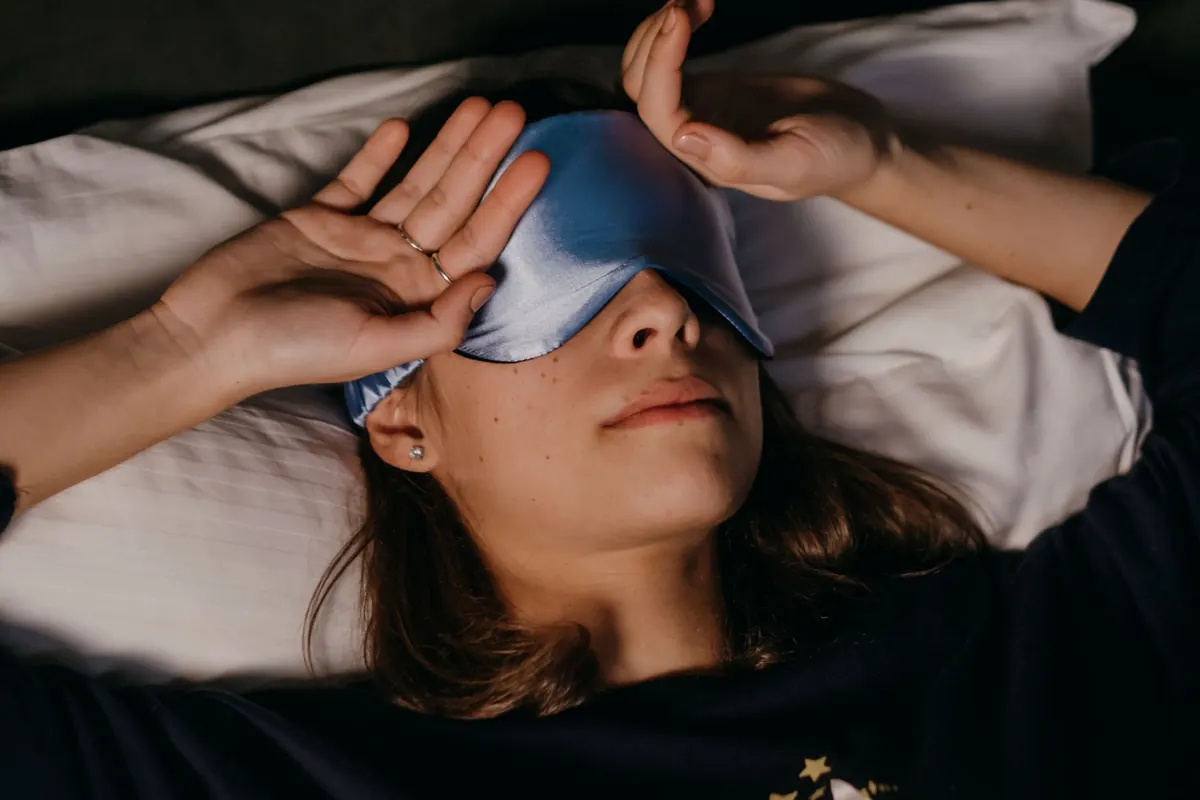
A sleep story can be beautifully written and still fail at 11 p.m. The wrong narrator turns a gentle scene into a lecture, a whisper into a strain, or a calm sentence into something you have to work to follow. Pressing play is easy; choosing the right voice takes a few minutes of listening with your guard down. This checklist is for that moment before bed, when you want the story to carry you rather than ask anything of you.
Start With Pace, Not Plot
Pace is first because it is hardest to ignore once you are tired. A bedtime narrator should move a little slower than an ordinary audiobook narrator, but not so slowly that your mind starts finishing sentences ahead of the voice. Good pace has room for pauses after a paragraph or a change of scene. It does not stretch every word for effect. If you find yourself checking how much time is left in the track, the pace is probably wrong. If you feel pulled along to find out what happens next, it may be too brisk for sleep.
Try a short sample while lying down, not while washing dishes. The same voice feels different at night. Listen for the first five minutes and ask a simple question: am I following easily, or am I waiting? A narrator who makes you wait for the next word can be just as tiring as one who rushes. The right pace feels almost forgettable. You notice the story, not the effort.
Volume and Dynamic Range: Keep It Steady
Sleep listening is a narrow range. You want a voice that sits just above the room’s quiet, clear enough to follow with one ear, soft enough that a sudden loud passage does not make you flinch. A narrator with wide swings from whisper to emphasis can be fine for a thriller and poor for bedtime. Check the opening minute, a middle section, and the ending. Openings often have music or a bright greeting; endings may fade out or turn brisk. You want consistency, not drama.
Use the device you will actually use at night. A phone speaker on a bedside table behaves differently from headphones. With headphones, listen for mouth noise and heavy breaths; they are more noticeable when the voice is close. With a speaker, check whether you can hear every word without turning it up. If you have to keep adjusting the volume, the recording is working against you. A steady level lets your attention soften instead of monitor.
Small volume flags
- Loud chapter breaks or theme music
- A narrator who drops to a whisper at the end of sentences
- Sharp consonants that click in headphones
- Long pauses that make you check whether playback stopped
None of these is a moral failing. They are just reasons to choose another track tonight.
Accent and Clarity: Comfort Without Strain
Accent is personal. You are not looking for a neutral voice, whatever that means; you are looking for one that costs you nothing to understand. A familiar regional accent can feel like company. An unfamiliar one can be interesting but demanding, especially when you are tired. The test is not whether you like the accent in general. It is whether you can follow names, places, and small turns of phrase without rewinding.
Clarity matters more than polish. A narrator can be soft-spoken and still crisp. Overarticulation, where every consonant is placed like a small stone, can keep you awake. So can slurred endings that make you guess. Listen to a passage with dialogue and a passage with description. Dialogue tests character voices; description tests whether the narrator can keep a gentle scene moving. If a character voice becomes shrill or comic, ask whether that fits your bedtime. Often it does not.
Try a sample with your eyes closed. If you need to open them to concentrate, the accent or clarity is not the right match for sleep.
Tone: The Emotional Temperature
Tone is the part listeners feel before they can name it. A calm story can be read with urgency. A simple sentence can sound ironic, mournful, or brisk. For sleep, you want a tone that is warm but not performative, interested but not excited. Downward sentence endings help. So does a narrator who sounds as if they are speaking to one person in a quiet room, not announcing to a hall.
Listen for emotional color. Does the narrator sound mildly amused by everything? Does every paragraph end with a little lift, as if asking for a response? Does a tense scene tighten the voice? Those choices are useful in other genres. At bedtime, they can keep your mind alert. Match the tone to the story, too. A gentle nature story read with irony is confusing. A mystery read in a soothing monotone can feel eerie rather than restful. The goal is not a sleepy voice. It is a settled one.
The Story and Voice Together
A narrator can save a thin story and ruin a good one. Before you commit to a long track, check how the voice handles the first scene. Is there a conflict, a cliffhanger, or a character in distress? Some listeners enjoy mild suspense; others lie awake finishing the plot in their heads. If you are easily pulled into narrative, choose stories with low stakes, gentle repetition, and ordinary detail. Then check whether the narrator respects that quietness. A voice that adds drama to a walk through a garden is not helping.
Also check pronunciation of recurring names and places. Small errors are fine; constant stumbling is not. You should not have to reorganize the story in your head while trying to relax.
A Practical Checklist Before You Press Play
Use this as a quick test, not a research project. Five minutes is enough to rule most voices in or out.
- Pace: Can you follow without waiting or rushing? Try it lying down.
- Volume: Is the level steady across the opening, middle, and end? No sudden music or whispers?
- Accent and clarity: Can you understand names and dialogue with your eyes closed?
- Tone: Does the narrator sound settled rather than excited, ironic, or urgent?
- Story match: Is the content gentle enough for your mind at bedtime?
- Device check: Does it work on the speaker or headphones you will really use?
- First five minutes: Did you relax, or did you keep adjusting something?
If a voice fails two or three items, move on. There is no prize for finishing a sample that irritates you.
Your Next Step Tonight
Pick one story, listen to the first five minutes in bed, and notice whether you want to turn it down, speed it up, or skip ahead. Those small impulses are useful information. Keep a short list of narrators who pass the test, and return to them when you are too tired to audition someone new. Set a sleep timer before you start, keep the volume modest, and let the story be background rather than a task. If sleep problems persist despite a comfortable routine, talk with a qualified health professional; bedtime audio can be a pleasant support, not a treatment.
Photo: Polina ⠀ / Pexels